
The Moment You Notice It
You're thirty minutes into a workout, or halfway through building shelves, and you suddenly feel it: a thin, cold wall of air rolling off the garage door and settling right where you're standing. Or maybe it's the opposite problem — you go to grab something from the old garage fridge and find the inside of the door beaded with water, dripping down onto the floor you just refinished. Either way, that's the moment one of you says "we should do something about that door" and the other says "it's fine, it's just a door." This is the argument. Here's how to settle it.
Why the Door Is the Problem, Not the Room
When a garage gets converted into living space, people insulate the walls, finish the ceiling, maybe add a mini-split — and then leave the original garage door exactly as it was. On older homes in this area, that door is often a single layer of steel or wood with little to no insulation behind it. It was built to keep out rain and animals, not to hold a temperature.
So now you have one wall of the room that's basically still outside. In winter, that door turns into a cold plate. Warm, humid air from the room (especially a gym, with people breathing hard and sweating) hits that cold surface and condenses, which is exactly the dripping you're seeing. Over a season, that moisture works into the weatherstripping, the bottom seal, and sometimes the track hardware, which is a bad combination with the freeze-thaw cycles typical of nor'easter season — metal hardware doesn't like repeated wet-then-frozen exposure.
The Three Real Options
Once you understand that the door is an active weak point, not just a design leftover, there are really only three honest paths forward.
1. Keep It as a Working, Insulated Door
If there's any chance you'll want to park a car in there again someday, or you like being able to roll the door up to air out the workshop, this is worth considering. It means upgrading to an insulated garage door and making sure the weatherstripping and bottom seal are doing their job. You keep flexibility and resale value — a lot of buyers specifically look for a garage, even a finished one, that can go back to being a garage. The trade-off is that even a well-insulated garage door won't perform like a true wall; it's a compromise, not a fix.
2. Upgrade the Door, Skip the Illusion
Some homeowners land in the middle: replace the old single-layer door with a higher-insulation model, add proper weatherstripping, and call it done. This cuts down the condensation and the cold-wall feeling significantly without the cost or commitment of framing in a permanent wall. It's a reasonable move if the room is used seasonally — a workshop you're in on weekends, a gym you use a few times a week — rather than a space you live in daily.
3. Frame In a Real Wall and Retire the Door
If the garage is never going back to being a garage — no cars, no plans to sell to someone who wants one — the most effective long-term fix is removing the door track and opener, framing a proper insulated wall in that opening, and finishing it to match the rest of the room. This solves the condensation and cold-spot problem completely, but it's a one-way decision. Once that track and opener are gone, turning the space back into a functional garage is a much bigger project than it would have been.
What Not to Do
The one option that causes real problems is building a wall or shelving unit in front of the door without addressing the door itself — leaving the track, springs, and opener in place but boxed off and forgotten. That hardware still needs clearance and occasional attention. Springs under tension and a motor that nobody checks on for years is how people end up with a sudden, loud failure behind a wall they just finished.
When to Call Wenham Garage Door
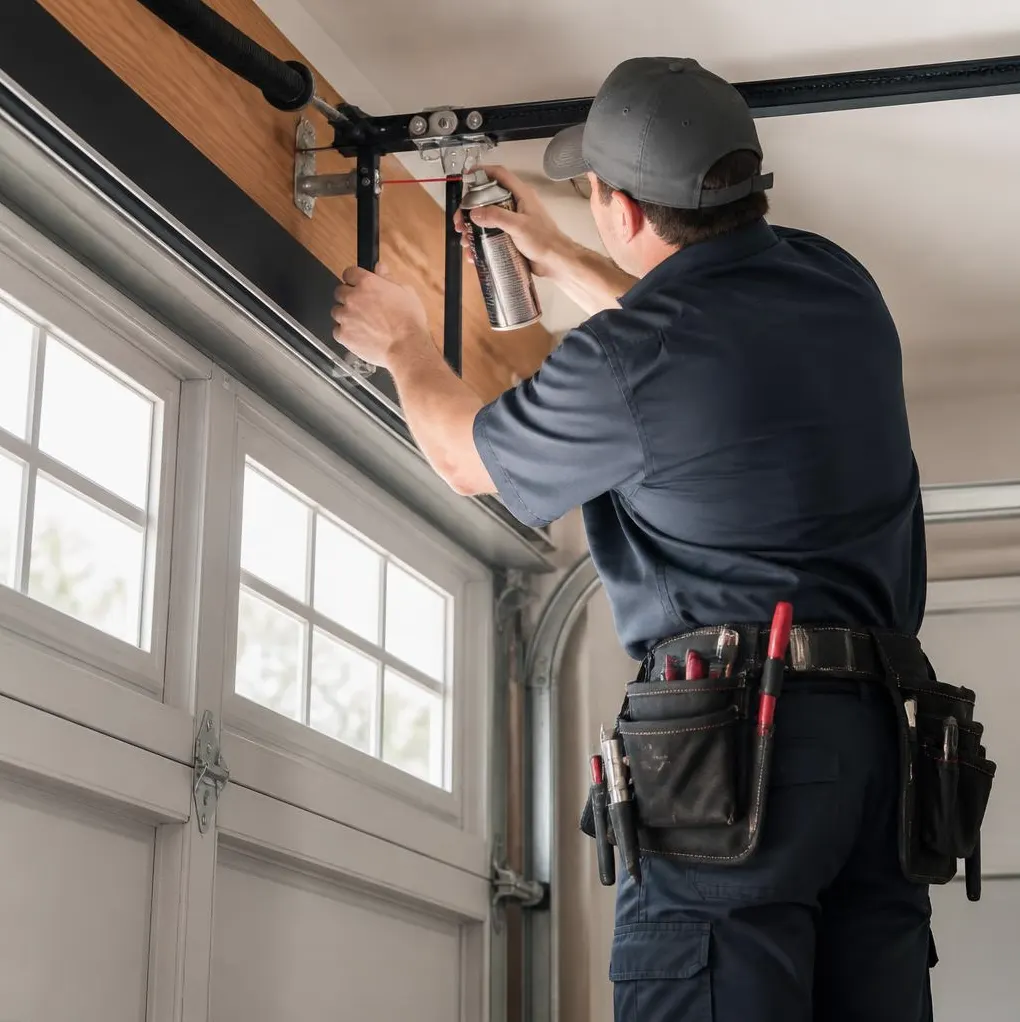
If you're leaning toward option one or two, we can walk the space with you, check what's actually behind that old door, and talk through insulated door options that fit an older house without turning it into an oversized remodel. If you're leaning toward option three, we handle the garage door installation and removal side — safely disconnecting the opener and springs, pulling the track, and leaving the opening ready for a contractor to frame in. And if the door's been making noise, sagging, or just hasn't been looked at since the conversion happened, a straightforward garage door maintenance visit will tell you honestly whether it's worth upgrading or worth retiring.
If you're in Wenham, Hamilton, Beverly, Danvers, Topsfield, Essex, Manchester-by-the-Sea, or Ipswich and you're finally ready to settle this argument for good, give Wenham Garage Door a call. We'll tell you straight what the door needs — no upsell, no guesswork.